The Surprising Advantages of Bee Stings for Your Health
Bee stings have actually long been a topic of interest and concern for lots of people. Regardless of this, bee venom has actually been utilized for centuries in traditional medication for its healing residential or commercial properties.
The Science Behind Bee Venom and Its Healing Properties
Bee venom is a complex mixture of proteins, peptides, enzymes, and other bioactive substances. The primary part of bee venom is melittin, a peptide that is accountable for the discomfort and swelling connected with bee stings. However, melittin also has antimicrobial and anti-inflammatory homes that can be useful for certain health conditions.
When a bee stings, it injects its venom into the skin. This sets off an immune action in the body, causing the release of numerous chemicals such as histamine and cytokines. These chemicals assist to minimize discomfort and inflammation, promote blood flow to the area, and stimulate the production of collagen and elastin, which are very important for injury healing.
Bee venom treatment (BVT) is a form of alternative medicine that includes deliberately getting bee stings to harness the recovery homes of bee venom. BVT has actually been used for centuries in standard medicine systems such as Traditional Chinese Medicine (TCM) and Ayurveda. It is believed to have a series of health advantages, including pain relief, anti-inflammatory results, immune system modulation, and even anti-cancer properties.
Bee Stings and Their Role in Allergy Immunotherapy
While bee stings can be dangerous for those with allergic reactions, they can likewise be used as a kind of allergic reaction immunotherapy. Allergy immunotherapy, likewise called desensitization or allergy shots, is a treatment that involves gradually exposing an individual to increasing quantities of an allergen to lower their sensitivity to it gradually.
When it comes to bee sting allergic reactions, allergy immunotherapy can be done by administering regulated doses of bee venom under the skin. This helps the body build up a tolerance to the venom and lowers the danger of extreme allergies in the future. Studies have revealed that bee sting therapy can be efficient in reducing the threat of systemic allergic reactions to bee stings.
The success rates of bee sting treatment for allergic reactions differ depending on the individual and the severity of their allergy. Research has shown that it can be an efficient treatment choice for those with bee sting allergic reactions, minimizing the danger of serious reactions and improving their quality of life.
Bee Venom Therapy for Arthritis and Joint Pain
Bee venom therapy has been utilized for centuries as a natural treatment for arthritis and joint pain. The anti-inflammatory residential or commercial properties of bee venom can help reduce pain and inflammation in the joints, making it a prospective treatment choice for those with arthritis.
A number of research studies have examined the impacts of bee venom therapy on arthritis. One research study released in the Journal of Ethnopharmacology discovered that bee venom decreased inflammation and pain in rats with arthritis. Another study released in the Journal of Alternative and Complementary Medicine found that bee venom acupuncture worked in decreasing pain and enhancing physical function in patients with knee osteoarthritis.
The success rates of bee venom therapy for arthritis vary depending on the private and the severity of their condition. Nevertheless, many people have actually reported substantial enhancements in pain and movement after going through bee venom treatment.
Bee Venom for Skin Conditions: Acne, Psoriasis, and Eczema
Bee venom has actually also been studied for its potential advantages in dealing with numerous skin problem, consisting of acne, psoriasis, and eczema. The anti-inflammatory and antimicrobial properties of bee venom can help reduce inflammation, kill germs, and promote wound recovery, making it an appealing treatment option for these conditions.
Several studies have actually investigated the results of bee venom therapy on skin problem. A study released in the Journal of Dermatological Science found that bee venom decreased inflammation and enhanced wound recovery in mice with psoriasis-like skin inflammation. Another research study released in the Journal of Ethnopharmacology discovered that bee venom had antimicrobial impacts against acne-causing germs.
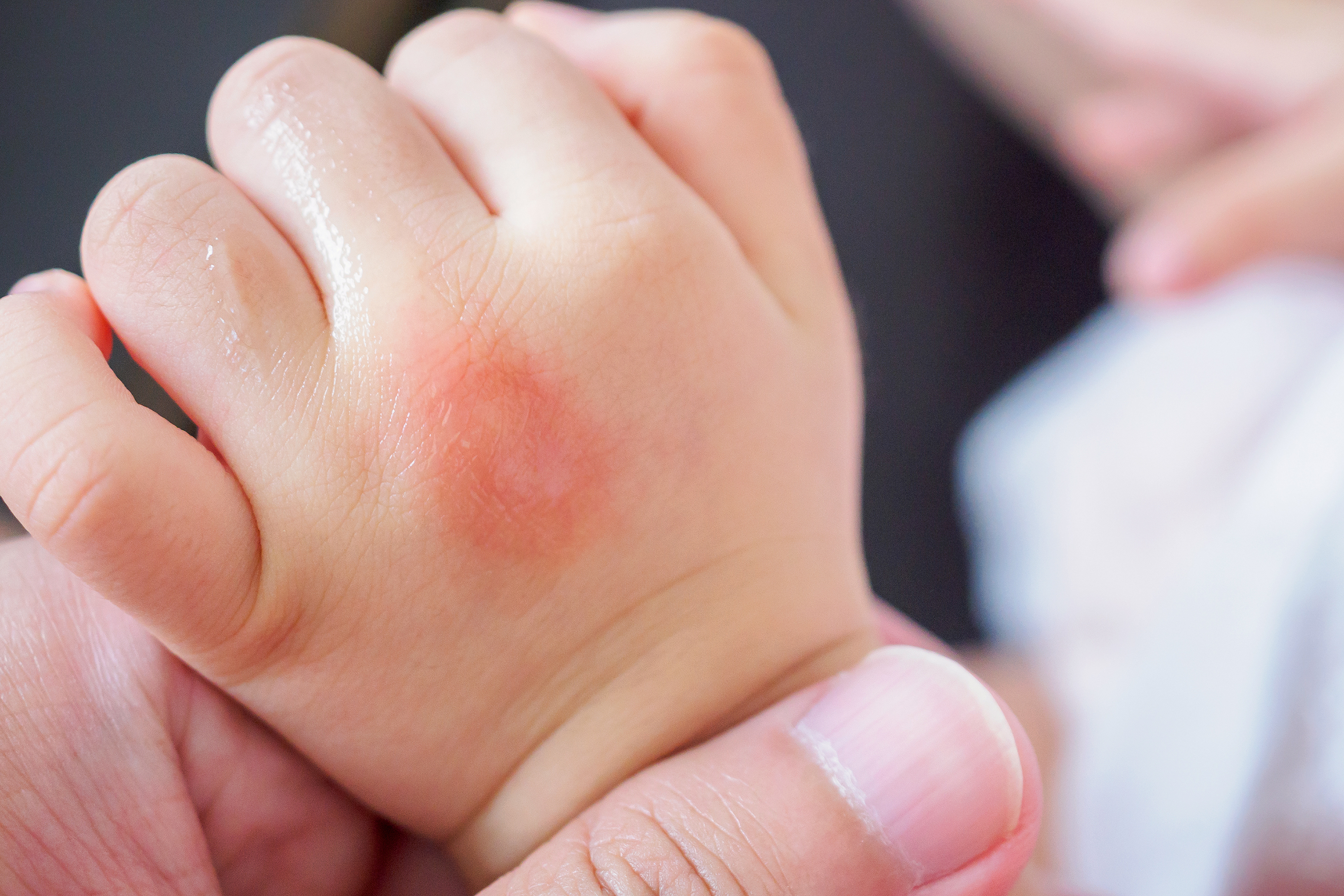
The success rates of bee venom treatment for skin conditions vary depending on the private and the seriousness of their condition. Numerous individuals have reported enhancements in their skin after undergoing bee venom therapy, including lowered inflammation, less breakouts, and improved total skin health.
Bee Sting Therapy for Multiple Sclerosis and Other Neurological Disorders
Bee venom therapy has also been studied for its potential advantages in treating neurological conditions such as several sclerosis (MS). Multiple sclerosis is an autoimmune disease that affects the central nervous system, causing inflammation and damage to the protective covering of nerve fibers.
Research has actually revealed that bee venom can help regulate the body immune system and lower swelling in the main nervous system. A research study released in the Journal of Neuroinflammation discovered that bee venom minimized inflammation and improved neurological function in mice with experimental autoimmune encephalomyelitis (EAE), a mouse model of MS.
The success rates of bee venom therapy https://heatit.bg/heat-it-insect-bite-healer/?attribute_pa_suvmestimost=android-usb-c for neurological disorders differ depending upon the individual and the intensity of their condition. Many people with MS have reported improvements in their signs after undergoing bee venom therapy, including lowered swelling, enhanced movement, and better quality of life.
Bee Venom and Cancer Treatment: Can It Help?
Bee venom has actually also been studied for its prospective advantages in cancer treatment. The anti-inflammatory and anti-cancer residential or commercial properties of bee venom can help in reducing inflammation, inhibit the growth of cancer cells, and promote apoptosis (cell death) in cancer cells.
A number of studies have actually investigated the impacts of bee venom therapy on cancer. A study released in the journal Toxins discovered that bee venom inhibited the growth of breast cancer cells and induced apoptosis in these cells. Another study published in the journal Oncotarget discovered that bee venom suppressed the development of prostate cancer cells and lowered growth size in mice.
The success rates of bee venom therapy for cancer differ depending upon the type and phase of cancer. While more research study is required to totally comprehend the potential benefits of bee venom treatment for cancer treatment, initial studies have actually revealed promising outcomes.
Bee Stings and Their Anti-Inflammatory Properties
Bee stings have long been utilized as a natural solution for swelling. The venom from a bee sting consists of different substances that have anti-inflammatory results, consisting of melittin, apamin, and adolapin.
When a bee stings, these substances are launched into the body and help reduce inflammation by inhibiting the production of inflammatory mediators such as prostaglandins and leukotrienes. This can supply relief for conditions such as arthritis, tendonitis, and bursitis.
Numerous research studies have investigated the results of bee sting therapy on inflammation. A research study released in the journal Inflammation Research found that bee venom reduced inflammation and discomfort in rats with carrageenan-induced paw edema. Another research study released in the journal Evidence-Based Complementary and Alternative Medicine found that bee venom acupuncture reduced inflammation and discomfort in clients with chronic low back pain.
The success rates of bee sting treatment for inflammation differ depending upon the individual and the intensity of their condition. However, many people have reported substantial enhancements in pain and inflammation after going through bee sting therapy.
Bee Venom as an Anti-Aging Treatment
Bee venom has actually likewise gained popularity as an anti-aging treatment in the last few years. The venom contains peptides that can stimulate the production of collagen and elastin, which are necessary for keeping the elasticity and firmness of the skin. It also has antioxidant homes that can assist safeguard the skin from damage triggered by totally free radicals.
Numerous research studies have investigated the results of bee venom therapy on aging skin. A study published in the journal Evidence-Based Complementary and Alternative Medicine found that bee venom decreased wrinkles and improved skin elasticity in women with facial wrinkles. Another study released in the journal Toxins discovered that bee venom increased collagen production and lowered skin aging in mice.
The success rates of bee venom treatment for anti-aging vary depending on the individual and the intensity of their skin aging. While more research study is required to completely understand the possible benefits of bee venom therapy for anti-aging, preliminary studies have revealed promising results.
The Risks and Precautions of Bee Sting Therapy
While bee sting treatment has a range of possible health benefits, it is very important to be knowledgeable about the threats and take precautions before undergoing this treatment. Bee stings can cause allergies in some individuals, varying from mild swelling and itching to serious anaphylaxis, which can be life-threatening.
Before going through bee sting treatment, it is important to speak with a health care specialist who is experienced in this form of treatment. They can evaluate your case history, carry out allergy screening if essential, and determine if bee sting therapy is proper for you.
If you have a known allergic reaction to bee stings or a history of severe allergies, it is usually recommended to prevent bee sting treatment. If you are interested in exploring this treatment option, your healthcare expert might be able to provide assistance on how to safely continue.
The Sweet Benefits of Bee Stings for Your Health
In conclusion, bee stings may be painful and possibly dangerous for those with allergies, but they likewise have a range of potential health advantages. Bee venom therapy has actually been used for centuries in conventional medicine systems and is thought to have a variety of healing homes, including pain relief, anti-inflammatory effects, body immune system modulation, and even anti-cancer homes.
Bee sting treatment has revealed pledge in the treatment of numerous conditions, including allergies, arthritis, skin conditions, neurological disorders, cancer, swelling, and aging skin. It is important to look for professional aid before going through bee sting therapy to ensure that it is safe and proper for you.
While bee sting treatment might not appropriate for everyone, it is an interesting area of research that continues to uncover the prospective advantages of bee venom for our health. As we learn more about the science behind bee venom and its recovery residential or commercial properties, we might find even more ways in which these small creatures can contribute to our well-being.