Do Not Let a Wasp Bite Ruin Your Day: Quick Relief Tips
Wasps are a typical sight throughout the warmer months, and their stings can be an uncomfortable and potentially unsafe experience. Understanding the nature of wasp stings is important for everyone, as it can assist us take the necessary safety measures to avoid them and understand how to respond if we do get stung. This article will offer a comprehensive guide to understanding wasp stings, including what takes place to your body when you get stung, typical signs to watch out for, avoidance tips, emergency treatment measures, and coping with anxiety after a sting.
Understanding the sting of a wasp: what happens to your body?
A wasp sting is not simply a basic prick; it involves an intricate response between the venom injected by the wasp and our body's immune system. When a wasp stings, it injects venom into the skin through its stinger. The venom consists of various chemicals that can cause pain, swelling, and allergic reactions.
When the venom gets in the body, it sets off an immune action. The immune system acknowledges the venom as a foreign compound and releases chemicals such as histamine to eliminate against it. This immune action causes the characteristic signs of a wasp sting, consisting of pain, soreness, swelling, and itching.
Some individuals are more conscious wasp stings than others. This level of sensitivity can be due to numerous elements, including genes and previous direct exposure to wasp venom. People who have had severe allergic reactions to wasp stings in the past are more likely to have a heightened sensitivity and might experience more severe signs with subsequent stings.
Typical signs of a wasp sting and when to look for medical attention
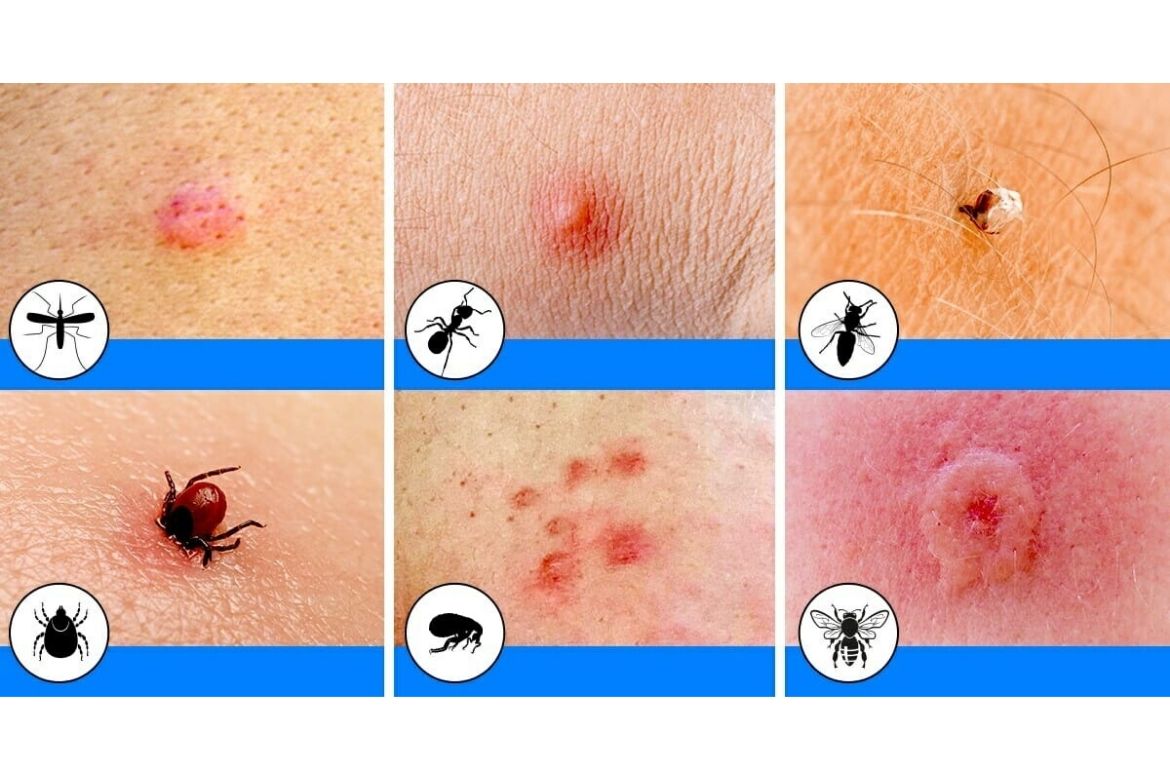
The seriousness of signs can differ from person to individual and also depends upon the place of the sting. Mild reactions normally involve localized pain, redness, swelling, and itching at the site of the sting. These symptoms generally fix within a couple of hours or days.
However, some individuals might experience more serious responses, referred to as anaphylaxis. Signs of anaphylaxis include trouble breathing, swelling of the face or throat, fast heartbeat, lightheadedness, and loss of consciousness. Anaphylaxis is a medical emergency and requires immediate medical attention.
If you are not sure whether your signs necessitate medical attention, it is constantly much better to err on the side of caution and seek medical assistance. It is particularly essential to seek emergency situation medical attention if you have a history of serious allergies to wasp stings or if you experience signs of anaphylaxis.
Why prevention is key: pointers to prevent wasps and their stings
Avoidance is crucial when it comes to preventing wasp stings. By taking some simple preventative measures, you can considerably decrease your threat of encountering wasps and getting stung.
One of the first steps in prevention is discovering how to recognize wasp nests. Wasps build their nests in numerous places, including trees, bushes, eaves of structures, and underground. Try to find nests that are made of a papery material and have a distinct honeycomb pattern.
To avoid bring in wasps, it is important to keep your outside area tidy and free of food sources. Wasps are brought in to sweet smells and food scraps, so ensure to tidy up spills and deal with trash appropriately. Keep food covered when eating outdoors and prevent using bright colors or flower prints, as these can draw in wasps.
How to react if you find a wasp: dos and do n'ts.
If you find a wasp, it is important to remain calm and prevent making abrupt movements. Wasps can end up being aggressive if they feel threatened, so it is best to remain still and slowly move away from the location.
Do not swat at the wasp or attempt to kill it, as this can provoke it further. Knocking at a wasp increases the opportunities of getting stung, as they release a chemical signal when they are threatened, notifying other wasps in the area.
If you come across a wasp nest, it is best to leave it alone and call a professional bug control service to eliminate it. Attempting to remove a wasp nest yourself can be hazardous and may lead to several stings.
First aid for a wasp sting: what to do right away after being stung.
If you do get stung by a wasp, there are some instant actions you can require to reduce the pain and minimize the danger of infection.
First, it is essential to remove the stinger as quickly as possible. Unlike bees, wasps do not leave their stingers behind, so you do not require to worry about removing it. Nevertheless, if the stinger is still embedded in the skin, you can use a charge card or your fingernail to carefully scrape it off.
After removing the stinger, tidy the location with soap and water to reduce the threat of infection. Avoid scratching or rubbing the area, as this can even more aggravate the skin and increase the threat of infection.
Using a cold compress to the affected location can help reduce pain and swelling. You can utilize an ice pack or a bag of frozen vegetables wrapped in a fabric. Apply the cold compress for 10-15 minutes at a time, a number of times a day.
The power of ice: why cold compresses can relieve the pain of a wasp sting.
Utilizing ice or cold compresses on a wasp sting can offer immediate remedy for discomfort and decrease swelling. Cold temperatures help restrict blood vessels and reduce swelling in the afflicted location.
When a wasp stings, it injects venom into the skin, which sets off an immune action and causes inflammation. Applying cold compresses helps to neutralize this swelling by constricting blood vessels and decreasing the release of inflammatory chemicals.
To utilize ice securely, always wrap it in a fabric or towel before applying it to the облекчаване на болката skin. Direct contact with ice can trigger frostbite or damage to the skin. Apply the cold compress for 10-15 minutes at a time, a number of times a day, up until the pain and swelling subside.
Natural solutions for wasp stings: from baking soda to vinegar.
Natural treatments can provide relief from the discomfort and itching related to wasp stings. These treatments work by reducing the effects of the venom and reducing inflammation.
One popular natural solution for wasp stings is baking soda. Mix a percentage of baking soda with water to form a paste and use it to the sting site. Baking soda assists to neutralize the acidic venom and reduce itching.
Another natural treatment is vinegar. Soak a cotton ball in vinegar and apply it to the sting site for a few minutes. Vinegar has anti-inflammatory homes and can help in reducing discomfort and swelling.
It is necessary to keep in mind that while natural remedies can supply short-term relief, they may not be as reliable as over the counter treatments. If you have severe symptoms or are not sure about using natural solutions, it is best to speak with a health care expert.
Non-prescription treatments for wasp stings: what to look for.
Non-prescription treatments are easily offered and can offer reliable relief from the symptoms of a wasp sting. These treatments usually contain ingredients that help reduce pain, itching, and swelling.
When selecting an over-the-counter treatment, search for items which contain ingredients such as hydrocortisone, lidocaine, or benzocaine. These active ingredients have anti-inflammatory and numbing residential or commercial properties that can provide remedy for discomfort and itching.
It is very important to read and follow the directions on the packaging carefully. Some non-prescription treatments might not appropriate for children or individuals with particular medical conditions. If you have any concerns or concerns, speak with a pharmacist or health care professional.
When to utilize an epinephrine auto-injector: pointers for people with extreme allergies.
For people with serious allergies to wasp stings, carrying an epinephrine auto-injector is essential. An epinephrine auto-injector, likewise known as an EpiPen, is a device that provides a dosage of epinephrine, a medication that can reverse the signs of an allergy.
If you have a history of severe allergies to wasp stings, it is necessary to bring your epinephrine auto-injector with you at all times. If you are stung and experience symptoms such as difficulty breathing, swelling of the face or throat, fast heartbeat, or lightheadedness, utilize the auto-injector instantly and look for emergency medical attention.
It is very important to familiarize yourself with how to use the auto-injector before an emergency occurs. Practice utilizing it regularly and make sure it is not ended. If you are not sure about utilizing the auto-injector or have any concerns, consult your healthcare provider.
Coping with anxiety after a wasp sting: how to handle worry of future stings.
Experiencing a wasp sting can be a terrible experience, and it is not uncommon to develop anxiety or worry of future stings. Nevertheless, it is necessary not to let this worry avoid you from delighting in outside activities.
To handle anxiety after a wasp sting, it can be handy to inform yourself about wasps and their habits. Comprehending their practices and understanding how to react if you encounter one can help alleviate stress and anxiety.
Taking steps to prevent future stings can likewise help reduce stress and anxiety. This includes avoiding locations where wasps are most likely to be present, such as trash bins or outdoor food locations. Using protective clothing, such as long sleeves and trousers, can likewise offer a physical barrier versus stings.
If your worry of wasp stings is hindering your daily life or triggering substantial distress, it might be practical to look for expert aid. A therapist or therapist can deal with you to establish coping methods and deal with any underlying stress and anxiety or injury.
Staying safe throughout outdoor activities: suggestions for avoiding wasp stings while hiking, camping, or picnicking.
Outdoor activities such as hiking, outdoor camping, and picnicking can increase the threat of encountering wasps. However, with some safety measures, you can decrease the chances of getting stung.
When treking or outdoor camping, it is very important to be aware of your surroundings and prevent locations where wasps are most likely to be present. Keep an eye out for indications of wasp activity, such as buzzing noises or nests. If you encounter a nest, give it a wide berth and do not disrupt it.
When picnicking, keep food covered and deal with trash properly. Wasps are attracted to sweet smells and food scraps, so it is necessary to tidy up spills and keep food sealed.
If you do get stung while outdoors, follow the emergency treatment steps discussed previously. If you have a serious allergic reaction to wasp stings, make sure to bring your epinephrine auto-injector with you at all times.
Understanding wasp stings is important for everyone, as it can help us take the required preventative measures to avoid them and understand how to react if we do get stung. By learning more about the anatomy of a wasp sting, common symptoms to keep an eye out for, prevention suggestions, emergency treatment measures, and coping methods for anxiety after a sting, we can be better prepared to deal with these situations. Keep in mind to always look for medical attention if you experience severe symptoms or have a history of severe allergic reactions to wasp stings. Stay safe and enjoy the outdoors properly.