Scratching the Surface Area: The Science Behind Flea Bites
Flea bites are little, scratchy bumps that happen when fleas feed on the blood of people or animals. Flea bites can be an annoyance, causing discomfort and itching, but they can also transmit illness.
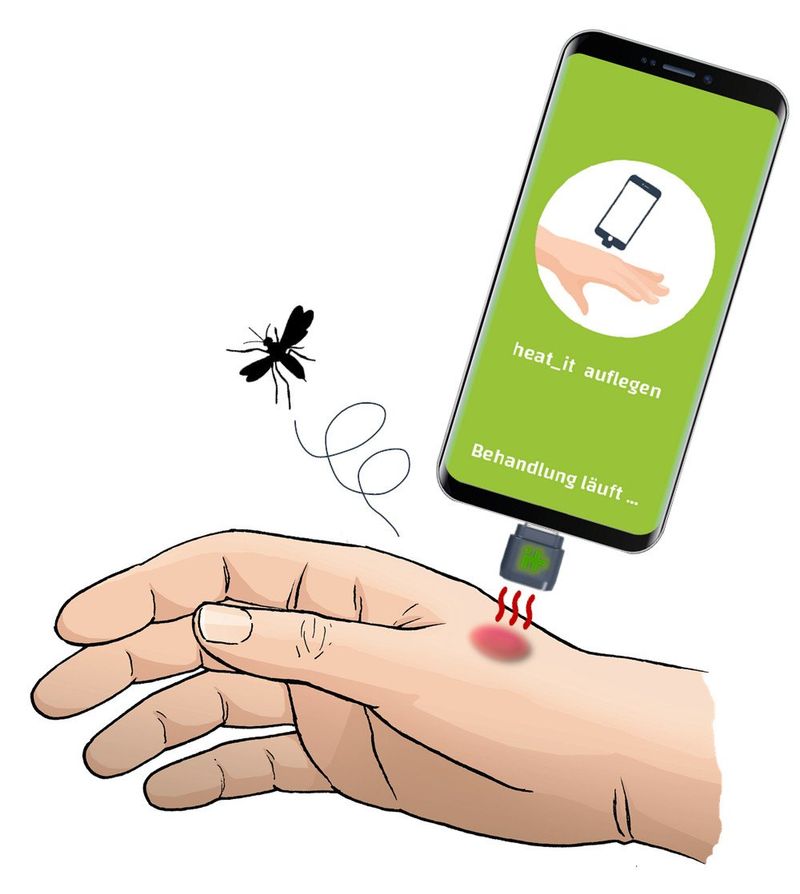
Flea bites usually happen in locations where the skin is exposed, such as the ankles, legs, and arms. They can also take place on other parts of the body, including the groin, armpits, and waistline. Fleas are brought in to warm-blooded hosts and can easily jump onto humans or animals to feed. Once they have actually bitten a host, they inject saliva into the skin to prevent blood clot and then feed upon the blood for several minutes.
Fleas can transmit illness to humans and animals through their bites. Some of the illness that can be transferred by fleas consist of bubonic afflict, typhus, and feline scratch disease. These illness are caused by bacteria that reside in the gastrointestinal system of fleas. When a flea bites an infected animal or human, it can pick up the germs and then send it to its next host through its saliva. It is important to take flea bites seriously and take actions to avoid invasions and protect against illness transmission.
The Flea Life Cycle: How it Affects the Bite
Comprehending the life process of fleas is important in understanding how flea bites take place and how they can be avoided. Fleas go through four stages in their life process: egg, larva, pupa, and adult. The entire life cycle can take anywhere from a couple of weeks to a number of months, depending upon environmental conditions.
Female fleas lay eggs on their host, which then fall off into the environment. These eggs hatch into larvae, which feed upon raw material, such as flea feces and dead skin cells. The larvae then spin cocoons and go into the pupal stage, where they go through transformation and become adult fleas. Once they have actually maturated, fleas emerge from their cocoons and start looking for a host to eat.
The life cycle of fleas can have a considerable impact on the intensity of flea bites. If there is a big population of fleas in the environment, there is a higher probability of being bitten.
Flea Bite Symptoms: What to Look Out For
Flea bites can trigger a variety of symptoms, including itching, inflammation, swelling, and a raised bump or welt on the skin. The itching is frequently intense and can lead to scratching, which can further irritate the skin and increase the threat of infection. Sometimes, flea bites can cause an allergic reaction known as flea allergy dermatitis (FAD), which can result in more serious symptoms.
Separating flea bites from other insect bites can be challenging, as the symptoms can be similar. Flea bites tend to happen in clusters or lines, as fleas typically bite multiple times in one area.
The Science of Flea Saliva: Why it Causes Itching
One of the primary reasons why flea bites are so itchy is due to the saliva that fleas inject into the skin when they bite. Flea saliva contains a range of proteins and enzymes that can activate an allergic reaction in some individuals. When a flea bites, these proteins and enzymes are presented into the skin, triggering the body to launch histamine, a chemical that is responsible for the itching and swelling related to allergic reactions.
It likewise promotes nerve endings, causing itching and discomfort. The seriousness of the itching can differ depending on the individual's level of sensitivity to flea saliva and the number of bites they have.
To minimize flea bite itching, there are numerous steps that can be taken. It is crucial to avoid scratching the bites, as this can lead to more irritation and increase the risk of infection.
Flea Bite Allergies: Who is at Risk?
While anyone can establish an allergy to flea bites, particular aspects can increase the risk. People who have a history of allergic reactions or asthma are more likely to establish an allergic reaction to flea bites. Additionally, repeated direct exposure to flea bites can sensitize the immune system and increase the danger of establishing an allergic reaction.
Flea bite allergic reactions, likewise referred to as flea allergy dermatitis (FAD), can cause more extreme signs than routine flea bites. In addition to itching, redness, and swelling, FAD can trigger hair loss, scabs, and secondary skin infections. Pets, such as pets and cats, are especially vulnerable to FAD and may require veterinary treatment to manage their signs.
If you suspect that you or your pet has a flea bite allergy, it is essential to seek medical attention. A health care expert can help diagnose the allergy and advise suitable treatment choices. In some cases, allergy testing may be necessary to determine the specific irritants triggering the reaction.
Flea Bite Treatment Options: From Home Remedies to Medical Intervention
There are лекарство за ухапване от дървеници several treatment choices readily available for flea bites, varying from natural home remedy to medical intervention. For mild cases, natural home remedy can offer relief and help reduce itching and inflammation. Using a cold compress or ice bag to the afflicted location can help numb the skin and lower swelling. Over the counter creams or ointments including hydrocortisone or calamine can likewise supply relief.
In more serious cases, over-the-counter antihistamines can be taken to lower itching and swelling. These medications work by obstructing the impacts of histamine in the body. It is important to follow the guidelines on the packaging and consult a healthcare professional if symptoms persist or get worse.
For individuals with flea bite allergic reactions or extreme symptoms, prescription medications might be needed. These medications might include stronger antihistamines, corticosteroids, or immunosuppressants. In many cases, allergy shots or desensitization therapy might be suggested to help in reducing the body's sensitivity to flea saliva.
The Role of Flea Control in Preventing Bites
Avoiding flea problems is crucial to preventing flea bites. There are a number of steps that can be taken to avoid fleas from getting in the home and biting people and animals. Routine vacuuming and cleaning of carpets, furnishings, and bed linen can help get rid of flea eggs and larvae from the environment. Cleaning bedding and family pet bed linen in hot water can also assist kill fleas and their eggs.
In addition to regular cleansing, it is very important to utilize flea control products on family pets. There are several alternatives available, consisting of topical treatments, oral medications, and flea collars. These products work by eliminating adult fleas and avoiding the development of eggs and larvae. It is important to select the right product for your family pet's size and species and to follow the directions carefully.
Regular veterinary care is also crucial in preventing flea bites. Veterinarians can recommend proper flea control items for animals and can offer guidance on how to avoid invasions in the home. They can likewise look for indications of flea bite allergic reactions or other health concerns that may be connected to fleas.
The Connection Between Flea Bites and Disease Transmission
Fleas are not simply a nuisance; they can also transmit diseases to people and animals through their bites. Some of the illness that can be transmitted by fleas include bubonic pester, typhus, and feline scratch illness. These illness are caused by germs that live in the digestive system of fleas. When a flea bites an infected animal or human, it can get the germs and after that send it to its next host through its saliva.
Avoiding disease transmission from flea bites is vital for public health. Among the most effective methods to avoid disease transmission is through regular flea control steps. By removing fleas from the environment and preventing problems, the threat of disease transmission can be substantially minimized.
It is also crucial to look for medical attention if you establish signs after being bitten by a flea. Early diagnosis and treatment can assist avoid problems and lower the spread of illness. Healthcare experts can provide appropriate treatment choices and guidance on how to avoid further bites.
Flea Bite Prevention: Tips for Pet Owners
Pet owners play an essential role in avoiding flea bites and protecting their family pets from invasions. There are several actions that can be required to secure family pets from flea bites. Routine grooming and bathing can assist remove fleas and their eggs from the fur. Utilizing a flea comb can likewise help get rid of fleas and their eggs from the coat.
In addition to grooming, it is important to utilize flea control products on pets. There are several choices offered, consisting of topical treatments, oral medications, and flea collars.
Avoiding flea problems in the home is likewise crucial for animal owners. It is likewise essential to routinely inspect pets for signs of fleas, such as extreme scratching or biting.
The Future of Flea Bite Research: What's on the Horizon?
Flea bite research study is an active location of research study, with researchers working to much better understand the biology of fleas and develop brand-new techniques of avoidance and treatment. Existing research is focused on developing more effective flea control products that are safe for people and animals. This consists of checking out brand-new insecticides, as well as alternative techniques of control, such as biological control representatives.
In addition to flea control, researchers are likewise studying the function of fleas in disease transmission. By comprehending how fleas transmit diseases, researchers can develop strategies to prevent outbreaks and decrease the spread of illness. This consists of studying the genetics of fleas and the germs they carry, in addition to developing vaccines or other preventive procedures.
The potential impact of flea bite research on public health is considerable. By developing more effective approaches of avoidance and treatment, researchers can help in reducing the problem of flea bites and associated diseases. This can enhance the lifestyle for individuals and family pets, as well as minimize healthcare costs connected with flea-related illnesses.
Comprehending the Importance of Flea Bite Awareness
Flea bites might appear like a minor annoyance, however they can have severe repercussions for both people and animals. Understanding the essentials of flea bites, including their symptoms and how they are sent, is important for avoiding invasions and protecting against disease transmission.
By taking actions to prevent flea invasions, such as regular cleaning and use of flea control items, people can lower the threat of flea bites and involved diseases. It is likewise essential to seek medical attention if symptoms continue or aggravate, as this might show an allergy or other health problem.
Staying informed about flea bite prevention and treatment is essential to protecting yourself, your household, and your animals. By keeping up to date on the current research and suggestions, you can make educated choices about flea control procedures and guarantee the health and wellness of your liked ones.