Bid Farewell to Mosquito Bite Pain with These Topical Treatments
The discomfort triggered by mosquito bites can range from moderate inflammation to intense itching and swelling. Understanding the causes of mosquito bites and the significance of treating them can help ease discomfort and prevent further issues.
Understanding the Causes of Mosquito Bites
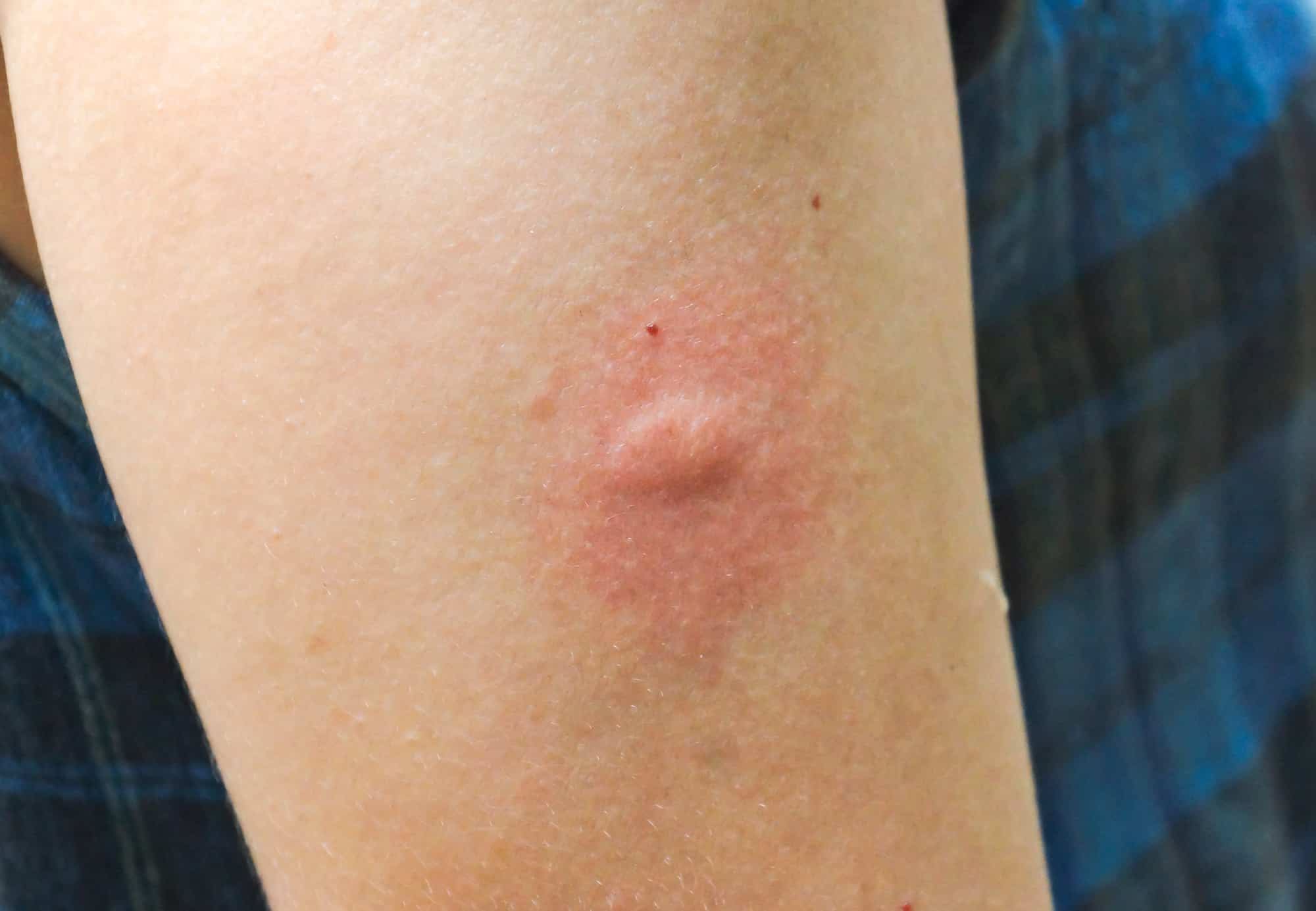
Mosquito bites take place when female mosquitoes feed on human blood. It is this saliva that activates an immune reaction in our bodies, leading to the characteristic soreness, swelling, and itching associated with mosquito bites.
Mosquitoes bite people since they require the protein discovered in blood to produce eggs. Female mosquitoes require a blood meal before they can lay eggs, while male mosquitoes eat nectar and plant juices. Mosquitoes are brought in to humans due to numerous factors such as body heat, body smell, and even genetic factors that make certain individuals more appealing to mosquitoes than others. Additionally, mosquitoes are more active during dawn and dusk when they are more than likely to find people outdoors.
The Importance of Treating Mosquito Bites
Treating mosquito bites is essential for numerous factors. It helps alleviate the discomfort triggered by itching and swelling. Scratching mosquito bites can cause more irritation and potential infection if the skin is broken. Dealing with mosquito bites without delay can help reduce the urge to scratch and avoid issues.
Second of all, mosquito bites can posture health dangers. While most mosquito bites are harmless and only cause temporary discomfort, mosquitoes are known carriers of different illness. Mosquito-borne diseases such as malaria, dengue fever, Zika infection, and West Nile infection can be transferred through mosquito bites. The danger of contracting these diseases may vary depending on geographical area, it is still important to take precautions and deal with mosquito bites to lessen the danger of infection.
Topical Treatments for Mosquito Bite Discomfort
There are several topical treatments available to alleviate mosquito bite discomfort. These treatments work by decreasing inflammation, relaxing itchiness, and promoting recovery. Some of the most typically used topical treatments consist of calamine cream, hydrocortisone cream, aloe vera gel, tea tree oil, oatmeal baths, and ice packs.
Calamine Lotion: A Classic Solution
Calamine lotion has been a go-to solution for mosquito bites for many years. It consists of a combination of zinc oxide and ferric oxide, which work together to relieve itching and reduce inflammation. Calamine cream produces a protective barrier over the skin, preventing additional inflammation and allowing the skin to heal.
Calamine lotion is easy to apply and can offer instant remedy for mosquito bite discomfort. It is normally safe for usage on all skin types but may trigger dryness in some individuals. It is necessary to follow the guidelines on the packaging and avoid applying calamine lotion to broken or irritated skin.
Hydrocortisone Cream: A Powerful Anti-Inflammatory Agent
Hydrocortisone cream is a topical corticosteroid that works by minimizing swelling and https://heatit.bg/heat-it-insect-bite-healer/?attribute_pa_suvmestimost=android-usb-c suppressing the immune reaction that causes itching. It is readily available over the counter in different strengths and can offer quick remedy for mosquito bite discomfort.
Hydrocortisone cream should be used moderately to the afflicted location and carefully rubbed in. It is essential to prevent utilizing hydrocortisone cream on the face, groin, or underarms unless directed by a health care professional. Prolonged usage of hydrocortisone cream can cause skin thinning and other side results, so it is best to use it for brief time periods as directed.
Aloe Vera Gel: A Natural Soothing Remedy
Aloe vera gel is a natural treatment that has actually been used for centuries to relieve different skin problem, consisting of mosquito bites. It includes anti-inflammatory substances that help in reducing redness and swelling, while its cooling properties offer instant relief from itching.
Aloe vera gel can be applied directly to the mosquito bite and gently rubbed into the skin. It is safe for usage on all skin types and can be reapplied as required. Some individuals might be allergic to aloe vera, so it is essential to perform a spot test before applying it to bigger locations of the body.
Tea Tree Oil: An Effective Antiseptic and Anti-Itch Agent
Tea tree oil is understood for its antiseptic and anti-inflammatory residential or commercial properties, making it a reliable treatment for mosquito bites. It helps in reducing itching and swelling while preventing infection.
To use tea tree oil, water down a few drops in a provider oil such as coconut oil or olive oil and use it to the affected location. It is necessary to prevent applying undiluted tea tree oil directly to the skin as it can trigger irritation. In addition, tea tree oil ought to not be ingested or used on open injuries.
Oatmeal Baths: A Relaxing and Therapeutic Approach
Oatmeal baths are a popular remedy for relaxing mosquito bite pain. Oatmeal contains compounds called avenanthramides, which have anti-inflammatory residential or commercial properties that help in reducing itching and inflammation.
To take an oatmeal bath, grind oatmeal into a fine powder and add it to warm bathwater. Soak in the bath for 15-20 minutes, gently rubbing the oatmeal-infused water onto the affected locations. After the bath, pat the skin dry and use a moisturizer to lock in hydration.
Ice bag: A Quick and Easy Solution for Mosquito Bite Relief
Ice packs are a basic and reliable method to minimize swelling and itching brought on by mosquito bites. The cold temperature level assists numb the location and restrict capillary, decreasing inflammation and providing momentary relief.
To use an ice pack, cover it in a thin cloth or towel and use it to the mosquito bite for 10-15 minutes. It is essential to prevent applying ice straight to the skin as it can cause frostbite. If an ice pack is not offered, a cold compress or a bag of frozen veggies can be used as a replacement.
Prevention Tips: How to Avoid Mosquito Bites and Discomfort
Avoiding mosquito bites is key to avoiding pain and potential health dangers. Here are some pointers to help decrease your exposure to mosquitoes:
1. Usage bug spray: Apply an EPA-approved bug spray consisting of DEET, picaridin, or oil of lemon eucalyptus to exposed skin and clothing.
2. Wear protective clothes: Cover up with long sleeves, pants, and socks when spending quality time outdoors, especially during peak mosquito activity times.
3. Get rid of standing water: Mosquitoes breed in stagnant water, so eliminate any sources of standing water around your home, such as flower pots, bird baths, and stopped up seamless gutters.
4. Set up screens: Use window screens or bed nets to keep mosquitoes out of your home.
5. Avoid peak mosquito activity times: Mosquitoes are most active during dawn and sunset, so try to restrict outside activities during these times.
6. Use fans: Mosquitoes are weak fliers, so using fans can help produce a breeze that makes it difficult for them to land on you.
Conclusion:
Mosquito bites can be a nuisance, triggering pain and possible health threats. However, with the right understanding and treatment choices, the pain triggered by mosquito bites can be minimized. Topical treatments such as calamine cream, hydrocortisone cream, aloe vera gel, tea tree oil, oatmeal baths, and ice bag can provide remedy for itching and swelling. Furthermore, taking preventive steps such as utilizing bug spray, using protective clothing, eliminating standing water, and preventing peak mosquito activity times can help decrease the threat of mosquito bites. By being proactive in treating mosquito bites and avoiding them in the very first location, you can take pleasure in the outdoors without the discomfort of scratchy mosquito bites.